
The Hidden Psychology Behind Grieving Fictional K-Drama Characters
Why Saying Goodbye to a K-Drama Character Feels Like Losing Someone You Knew
Have you ever finished a K-drama and spent days thinking about someone who never actually existed?
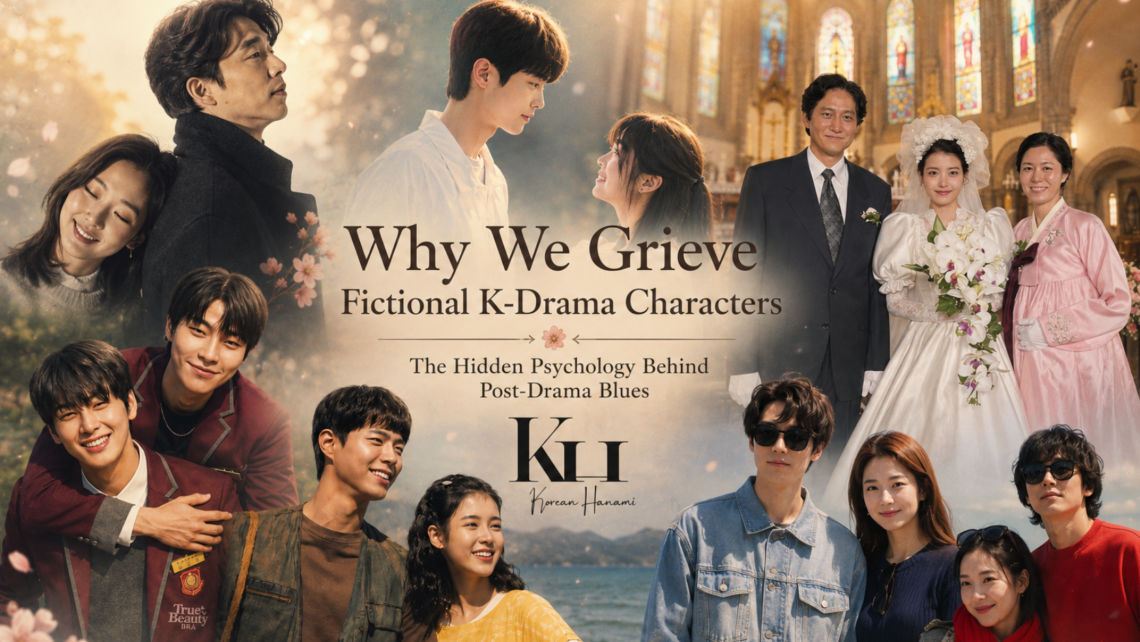
Maybe it was Ryu Sun-Jae, who kept choosing Im-Sol across every timeline, Kim Shin, who carried centuries of loneliness with quiet grace, only to find love and loss intertwined once again. Han Seo-Jun’s unspoken love broke and healed millions of hearts or Yang Gwan-Sik, who reminded us that the deepest kind of love is often the quietest.
We usually call it post-drama blues.
Psychologists call it something else: a parasocial relationship.
It’s a one-sided emotional bond our brain forms with someone we repeatedly spend time with, even if they’re fictional.
Your brain doesn’t simply watch these characters. It rehearses life with them.
For sixteen episodes, you celebrate their victories, worry about their future, make decisions with them, and mourn their losses. Brain imaging studies suggest that stories activate many of the same neural systems we use when imagining real experiences. The emotions may come from fiction, but your emotional response is genuine.
That’s why K-drama endings feels strangely personal.
You’re not only losing a character.
You’re saying goodbye to the small part of your life that belonged to them. The evenings you looked forward to a new episode. The comfort of returning to their world after a long day. The version of yourself that laughed with Sun-jae, waited with Kim Shin, rooted for Seo-jun, or found quiet reassurance in Gwan-sik’s steady presence.
Perhaps that’s the quiet magic of K-dramas.
The best ones don’t just tell unforgettable stories.
They help us discover a version of ourselves we hadn’t met before.
And maybe that’s why the hardest part isn’t watching the credits roll.
It’s realizing that every K-drama leaves behind a different version of you. And once that story ends, you may never meet that version of yourself again.
Previous Read: Clothes? It’s About Character | The Evolution of Fashion in K-pop

You May Also Like
True Beauty Stars Shares Couple Pictures
Top 5 Zombie Dramas That Will Make You Believe In The Horrors Of Undead